What Does a University Diploma Look Like? A Practical Guide to College Degree Certificates
What does a college diploma actually look like?
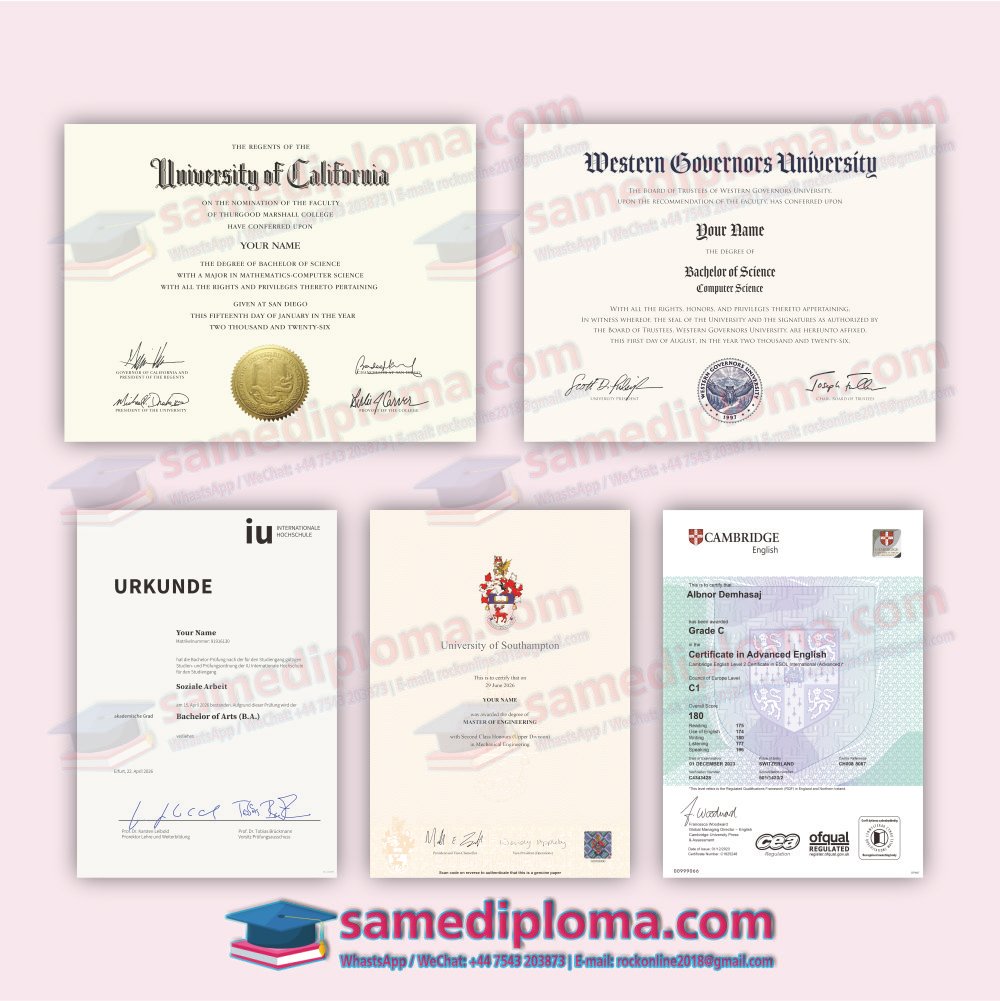
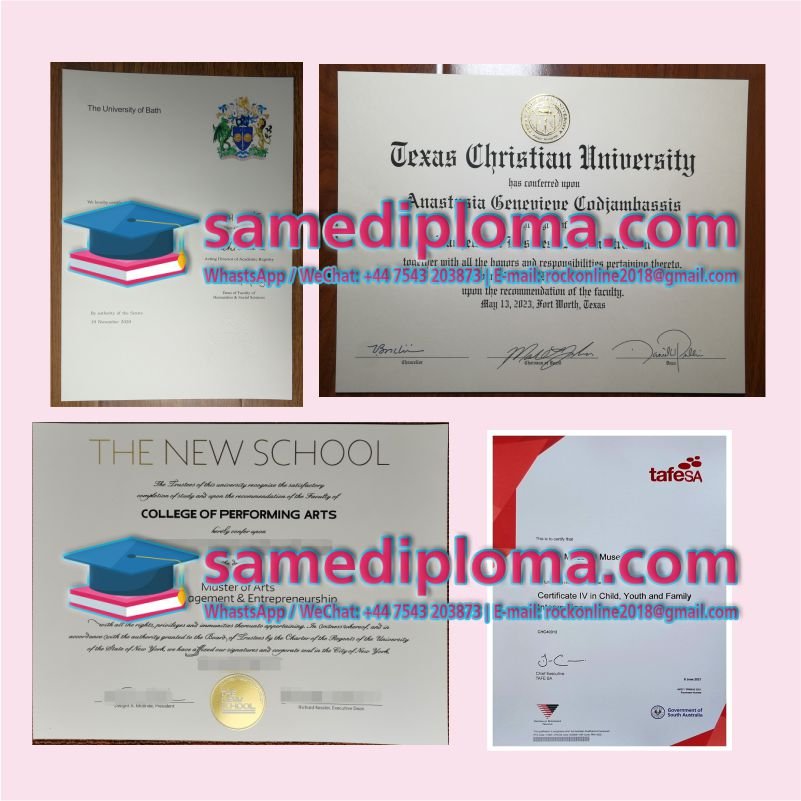
It sounds like a simple question, but there is no single answer. A diploma from an American public university can look very different from one issued by a university in France, Germany, Switzerland, Canada, or the United Kingdom. Even two universities in the same state may use different wording, layouts, sizes, and degree terminology.
Still, most university diplomas share a common purpose: they formally record that a university has awarded a particular degree to a graduate.
If you are researching old diplomas, comparing university documents, replacing a lost diploma, or simply wondering what appears on a degree certificate, several elements are worth understanding.
What Information Usually Appears on a College Diploma?
A university diploma usually contains less academic information than many people expect.
Most diplomas focus on the award itself rather than the student’s complete academic record.
Common information may include:
- the university or college name;
- the graduate’s name;
- the degree awarded;
- the date the degree was conferred;
- the school or college within the university;
- official signatures;
- an institutional seal or emblem.
However, the exact content depends on the university.
A student might assume that the diploma will display a major such as Finance, Computer Science, or Psychology. That is not always the case.
Some universities place only the official degree title on the diploma and keep the student’s major, concentration, or minor on the academic transcript.
That distinction is one reason two graduates from the same university can hold diplomas with very similar wording even though they studied different subjects.
What Does a College Diploma Look Like at First Glance?
Most people notice the overall presentation before they read the wording.
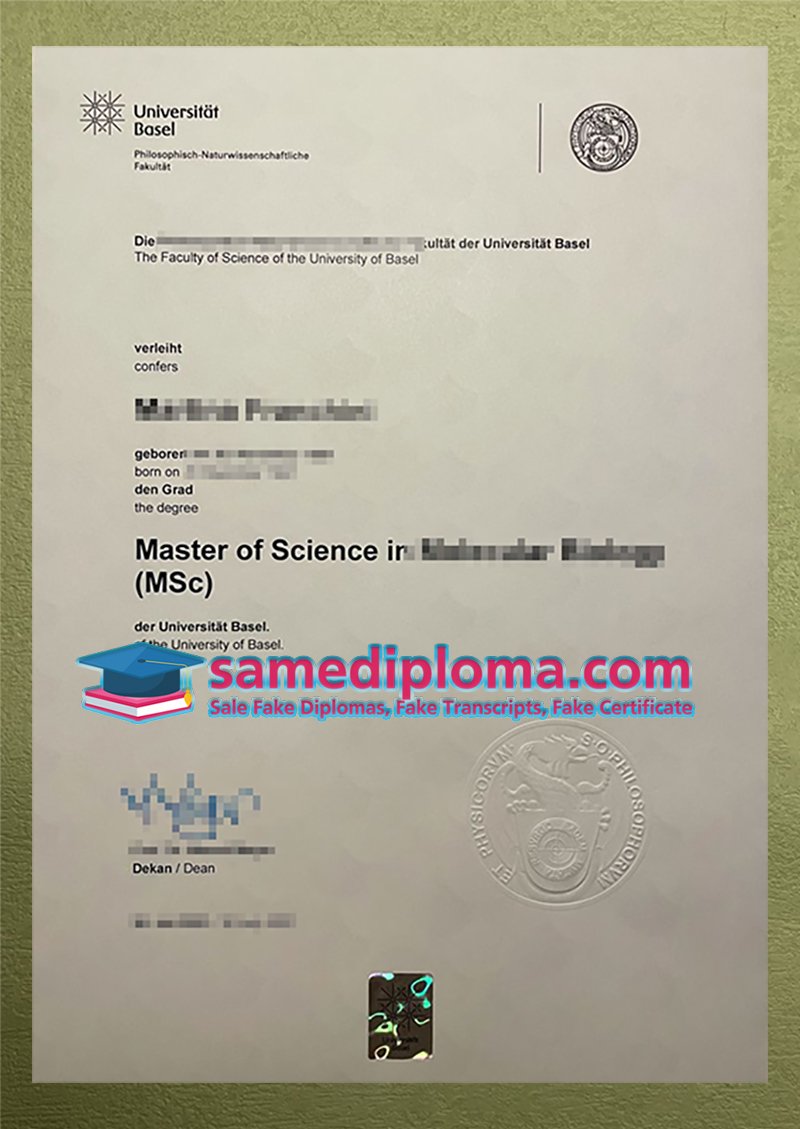
A traditional university diploma often uses a formal, balanced layout with the university name positioned prominently toward the top of the document. The graduate’s name and degree usually appear near the center.
The lower part often contains dates, signatures, or other administrative information.
Some universities prefer highly traditional designs. Others use modern branding, cleaner typography, or simplified layouts.
A diploma therefore does not have to look old-fashioned to be legitimate.
University design standards change over time, and institutions may redesign their diplomas just as they redesign logos, websites, and other official materials.
Does Every Diploma Show the Graduate’s Major?
No.
This surprises many people researching university diplomas.
A diploma might say:
Bachelor of Arts
rather than:
Bachelor of Arts in Political Science
Another graduate may receive a document that lists both the degree and field of study.
Neither approach automatically indicates anything unusual.
Universities decide what information they place on their diplomas according to their own academic policies.
The transcript normally contains much more detail, including courses, grades, credits, majors, minors, and sometimes concentrations.
This creates an important rule when comparing university documents:
Do not expect a diploma to contain everything found on a transcript.
College Diploma vs Transcript: What Is the Difference?
The two documents serve different purposes.
A diploma records the degree awarded.
A transcript records the student’s academic history.
A transcript may contain dozens of courses and grades. A diploma might contain only a few lines of academic information.
Think of it this way:
The diploma says:
“This person earned this degree.”
The transcript explains:
“This is how the person completed that degree.”
Because their purposes differ, their formats differ as well.
A diploma often has a ceremonial or display-oriented appearance. A transcript usually prioritizes structured academic data.
If someone needs to verify detailed academic performance, the transcript normally provides much more information than the diploma alone.
Why Do University Diplomas Look So Different?
Universities have developed their own academic traditions over decades—or sometimes centuries.
A young American university may use a completely different degree format from a European institution founded several hundred years ago.
Language also plays a major role.
A diploma may contain:
- English;
- German;
- French;
- Spanish;
- Latin;
- or more than one language.
For example, researching a Universität Basel diploma naturally involves different terminology from researching a diploma issued by an American university.
Likewise, French qualifications may use terms such as Licence, Master, or Doctorat, while American universities commonly use titles such as Bachelor of Arts, Bachelor of Science, Master of Science, or Doctor of Philosophy.
This is why university name, country, degree type, and graduation period should always be considered together.
Do Older Diplomas Look Different From Modern Diplomas?
Very often, yes.
University documents evolve.
An older diploma may reflect:
- a previous university logo;
- an earlier institutional name;
- different academic wording;
- different administrators or signatures;
- older degree terminology;
- a different visual layout.
Universities themselves also change.
Departments merge. Colleges receive new names. Institutions change branding. Presidents, chancellors, rectors, and deans leave office.
As a result, a diploma issued in 1995 should not automatically be expected to look identical to one issued by the same university in 2026.
This is especially important when researching historical university documents.
The graduation year often provides just as much context as the institution name.
What Does an Online Degree Diploma Look Like?
Online education creates another common question:
Does an online student receive a different-looking diploma?
There is no universal answer because every university sets its own policies.
However, students should distinguish between the method of study and the degree awarded.
Someone may complete coursework online while earning the same academic degree available to campus students.
The important information is therefore:
- which institution awarded the degree;
- which degree was awarded;
- whether the program met the university’s academic requirements.
The delivery format alone does not tell you what the diploma will say.
For example, universities such as the University of West Georgia offer online academic programs alongside traditional campus study.
This type of article can help readers understand the academic program behind the document rather than judging the qualification only by its appearance.
What Does a Bachelor’s Diploma Look Like Compared With a Master’s Diploma?
The overall design may remain similar within the same university, but the qualification wording changes.
For example:
Bachelor’s level
- Bachelor of Arts
- Bachelor of Science
- Bachelor of Business Administration
Master’s level
- Master of Arts
- Master of Science
- Master of Business Administration
Doctoral level
- Doctor of Philosophy
- Doctor of Education
- other professional or academic doctorates
This sounds obvious, but it matters when researching diploma examples.
A bachelor’s diploma should not automatically be used as the reference point for understanding a master’s or doctoral document.
The wording, faculty, signatures, and administrative structure may differ.
What About University Seals and Signatures?
Many university diplomas include an institutional seal, signatures, or both.
These features form part of the document’s formal presentation, but they should not be treated as a universal checklist.
Different institutions use different formats.
One university may display several signatures. Another may use fewer. The position and visual presentation can also change over time.
For anyone trying to confirm whether an academic qualification is genuine, the safest approach is not to rely only on visual inspection.
Current verification should normally come from the issuing university, registrar, authorized credential service, or another appropriate official source.
The physical document can provide context, but institutional records provide stronger evidence of whether a degree was actually awarded.
What Does a Real University Diploma Prove?
A diploma primarily proves degree conferral when supported by the issuing institution’s records.
It does not automatically tell you:
- every class the student completed;
- every grade;
- GPA;
- all majors and minors;
- professional licensing status;
- current professional membership.
Those details may require other records.
This distinction matters particularly in fields such as engineering, health care, law, or other regulated professions.
For instance, a university degree and a professional membership certificate represent different credentials.
CIBSE Certificate – Membership and Professional Registration Guide
A degree tells you about academic achievement.
A professional registration or membership may tell you something different about professional standing.
What If a Diploma Is Lost or Damaged?
Graduates lose diplomas for many ordinary reasons.
Documents may disappear during a house move, suffer water damage, become damaged in storage, or simply get misplaced after many years.
The correct first step is normally to contact the university’s registrar, graduation office, or diploma services department.
Many institutions provide an official replacement or reissue process.
The replacement may not always look exactly like the original document. Universities can change designs, administrators, vendors, or policies over time.
Someone who graduated decades ago may therefore receive a replacement using a newer format.
How to Replace a Lost University Diploma
For employers or institutions that need formal evidence of a degree, official verification or transcripts may also be more useful than a decorative replacement copy.
University Diploma vs Replacement Diploma
This is another useful distinction.
An original diploma is the document initially issued around the time the degree was awarded.
An official replacement diploma comes from the university or its authorized provider after the original has been lost or damaged.
A commemorative or display document serves a different purpose and should not be represented as an official academic credential.
These terms should not be used interchangeably.
For someone who simply wants a framed keepsake after losing the original, a replacement document can solve a practical problem.
For someone who needs formal proof of education, the issuing institution’s records remain the more important source.
What Should You Look at When Researching a University Diploma?
Instead of asking only:
“Does this diploma look right?”
Ask several better questions.
Which university issued it?
Start with the institution, because every university has its own history and academic structure.
What degree does it represent?
A Bachelor of Science and a Master of Arts should not be treated as equivalent documents.
When was the degree awarded?
The year helps explain changes in wording, administrators, branding, and design.
Which country is the university in?
Academic terminology differs significantly between education systems.
Does the academic information make sense?
The qualification should fit the institution and relevant period.
Can the degree be verified officially?
For serious verification, institutional records matter far more than appearance alone.
These questions create a much stronger framework for understanding a diploma.
What Do Diplomas Look Like From Different Universities?
There is no universal university diploma template.
That is actually what makes the topic interesting.
A Georgia State University diploma belongs to a large American public research university.
A Portland State University diploma comes from a different state, institution, and academic system.
A UNIR diploma relates to a Spanish university with a strong online-learning identity.
A Université Paris 1 Panthéon-Sorbonne diploma reflects French academic terminology.
Each deserves its own context.
Georgia State University Diploma Guide
Portland State University Diploma Guide
UNIR Diploma – Universidad Internacional de La Rioja Guide
Instead of expecting all university diplomas to look the same, it makes more sense to understand why they are different.
Frequently Asked Questions About College Diplomas
What does a college diploma usually say?
Most include the institution name, graduate’s name, degree awarded, conferral date, and some form of institutional authorization. Exact content varies by university.
Does a college diploma show your major?
Sometimes, but not always. Some universities place the major only on the academic transcript.
Do master’s and bachelor’s diplomas look different?
They may share the same overall institutional design, but the degree wording and sometimes other academic information differ.
Does an online degree look different on the diploma?
That depends on university policy. The method of study and the degree awarded are separate issues.
Can employers verify a university diploma?
Employers may request transcripts, contact institutions, or use authorized credential-verification services rather than relying solely on the physical document.
What should I do if I lose my college diploma?
Contact the university registrar or graduation office and ask about its official replacement-diploma process.
So, What Does a University Diploma Really Look Like?
The best answer is:
It depends on the university, degree, country, and year.
Most diplomas share several basic ideas—a graduate, an institution, a qualification, and a date—but the way universities present that information varies widely.
That is why researching a diploma should involve more than comparing fonts or looking for one particular design feature.
Start with the academic context.
Identify the university. Check the degree. Consider the graduation period. Understand what information that institution normally places on a diploma versus a transcript.
And when verification truly matters, rely on the issuing institution or another authorized source rather than appearance alone.
A university diploma may be only one document, but behind it sits an entire academic record. Understanding that relationship makes it much easier to answer the original question: what do diplomas look like—and what do they actually tell us?