How Do I Repair a Torn UT Austin Diploma? A Complete Guide
A UT Austin Diploma is more than a piece of paper. It represents years of hard work, late nights, and personal achievement. Many graduates proudly display it at home or in the office.
But accidents happen.
Your diploma may tear while moving. It could get bent during storage. Sometimes moisture, pets, or children can damage it before you even notice.
The good news is that a torn diploma is not always beyond saving.
In this guide, we’ll explain how to repair a UT Austin Diploma, what methods are safe, what mistakes to avoid, and when you should consider ordering a replacement instead.
Why Your UT Austin Diploma Deserves Proper Care
A diploma has both sentimental and professional value.
Although employers rarely ask to inspect the physical diploma, many graduates still treasure it as a lifelong reminder of their education.
A damaged diploma can also reduce its appearance if you display it in your office or home.
Before trying any repair, remember one important rule:
The goal is to preserve the diploma, not make it look brand new.
Poor repairs often cause more damage than the original tear.
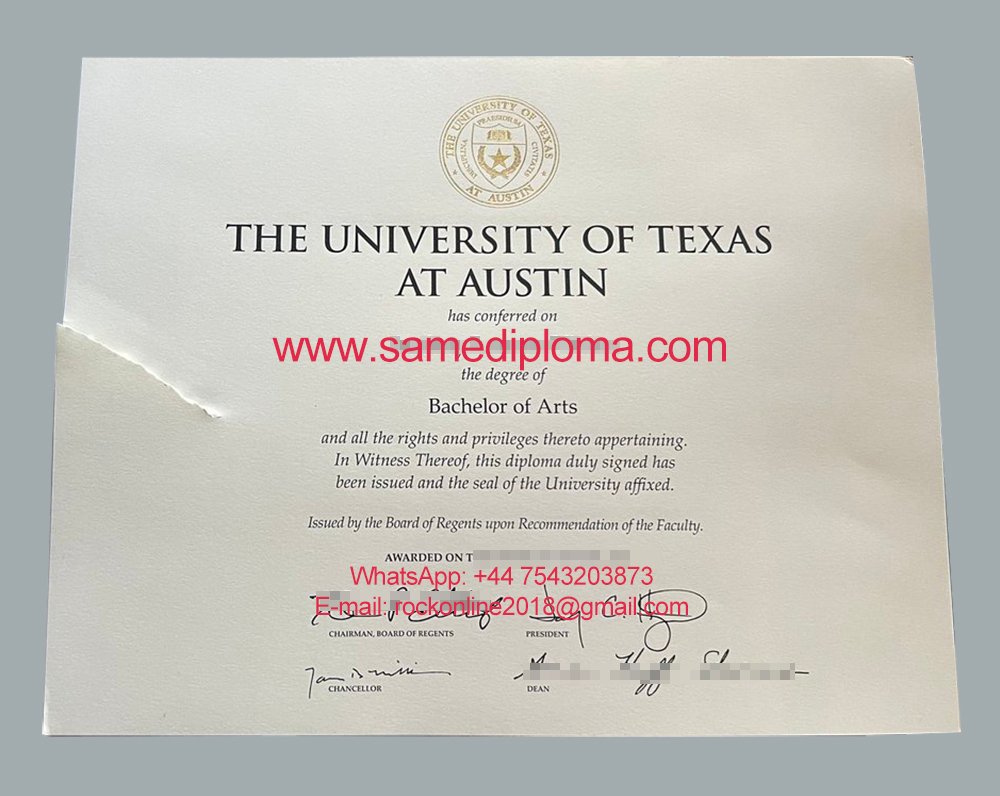
One method is to examine the damage to the UT Austin Diploma and repair it yourself using something like adhesive tape; the main drawback is that it will not look as aesthetically pleasing.
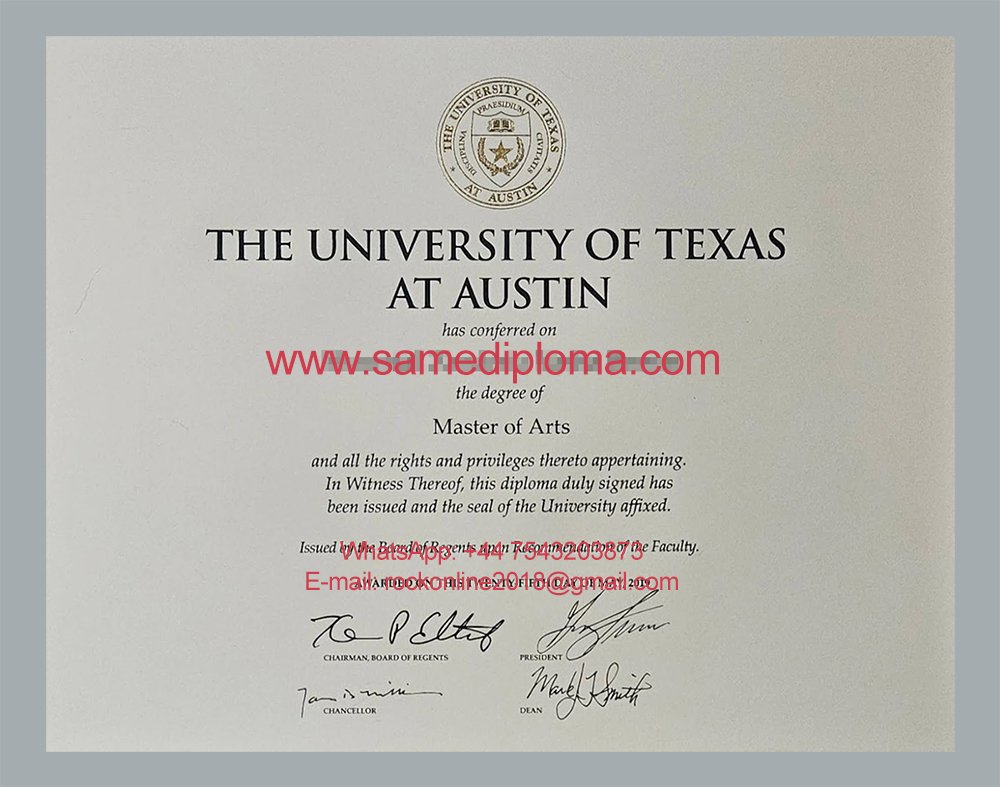
Another option is to purchase a replica diploma online via samediploma.com. We will create a 1:1 reproduction based on your original diploma, perfectly replicating its exact appearance.
There are some steps you can follow for self-repair.
Step 1: Assess the Damage
Not every torn UT Austin Diploma requires the same solution.
Start by examining the damage carefully.
Ask yourself:
- Is it a small edge tear?
- Does the tear run through the text?
- Are pieces missing?
- Is the diploma folded?
- Is there water damage?
- Has the paper become brittle?
Small tears are usually much easier to repair than large or multiple tears.
If the diploma has severe water damage or mold, repairing it yourself may not be the best option.
Step 2: Clean Your Workspace
Before touching the diploma, prepare a clean work area.
You should have:
- A flat table
- Good lighting
- Clean hands or cotton gloves
- Acid-free paper
- A soft cloth
Avoid eating or drinking nearby.
Even a few drops of coffee can permanently stain the diploma.
Step 3: Use Archival Repair Tape
For small tears, archival document repair tape is often the safest choice.
This tape is designed for paper conservation.
It is very different from ordinary household tape.
Archival tape is:
- Acid-free
- Transparent
- Long-lasting
- Less likely to discolor paper
Carefully align the torn edges before applying the tape.
Use only one small strip.
More tape does not create a better repair.
Why You Should Never Use Regular Tape
Many people reach for clear office tape.
That is usually a mistake.
Regular tape ages poorly.
Over time it can:
- Turn yellow
- Leave sticky residue
- Damage paper fibers
- Become difficult to remove
Once household tape has been applied, professional restoration becomes much harder.
If you care about preserving your UT Austin Diploma, avoid regular tape completely.
When Should You Replace Instead of Repair?
Sometimes replacement is the smarter option.
You should consider replacing your UT Austin Diploma if:
- Large sections are missing.
- The diploma is badly stained.
- Water damage has distorted the paper.
- The printing has faded.
- Mold is present.
- Previous repairs caused additional damage.
A replacement often provides a cleaner appearance than multiple repairs.
Many universities offer replacement diplomas through their registrar or diploma services.
Be prepared to pay a replacement fee and allow processing time.
What is the process for purchasing an identical diploma from an online diploma maker? You can view the purchasing process here.
How to Protect Your Diploma After Repair
Once your diploma is repaired, protecting it becomes the next priority.
Here are some simple tips:
Use a Quality Frame
Choose a frame with UV-protective glass or acrylic.
Sunlight can gradually fade printed text.
Avoid Humid Areas
Bathrooms and basements are poor places for storing documents.
Humidity can cause paper to warp.
Store It Flat
If you are not displaying the diploma, keep it flat inside an archival storage box.
Avoid rolling it into a tube.
Keep It Away from Direct Sunlight
Even indirect sunlight can slowly discolor paper over the years.
Common Repair Mistakes
Many diploma owners accidentally make the damage worse.
Here are mistakes to avoid:
Using Glue
Liquid glue can wrinkle paper and leave permanent marks.
Laminating the Diploma
Lamination permanently changes the document.
It cannot be easily reversed.
Collectors and preservation experts generally discourage lamination.
Trimming Damaged Edges
Some people cut away torn edges.
This permanently changes the original diploma.
Using Packing Tape
Packing tape becomes brittle with age.
It also leaves adhesive residue that is extremely difficult to remove.
Final Thoughts
A torn UT Austin Diploma can be upsetting, but it is rarely the end of the story.
Small tears can often be repaired safely using archival materials. Larger damage may require professional conservation or a replacement diploma.
The most important thing is to avoid quick fixes that create permanent problems. Household tape, glue, and lamination may seem convenient today, but they often lead to greater damage in the future.
Once your diploma has been repaired, store it carefully, frame it properly, and protect it from moisture, sunlight, and rough handling. With the right care, your UT Austin Diploma can remain a lasting reminder of your academic achievement for many years to come.